
Sometimes, when I meet someone new and they find out about the work I do with survivors of suicide loss, they will ask: “How can you do that work … day after day? It has to be extremely taxing and so very sad.” I always answer “No” … that I feel honored as well as inspired by the work I do.
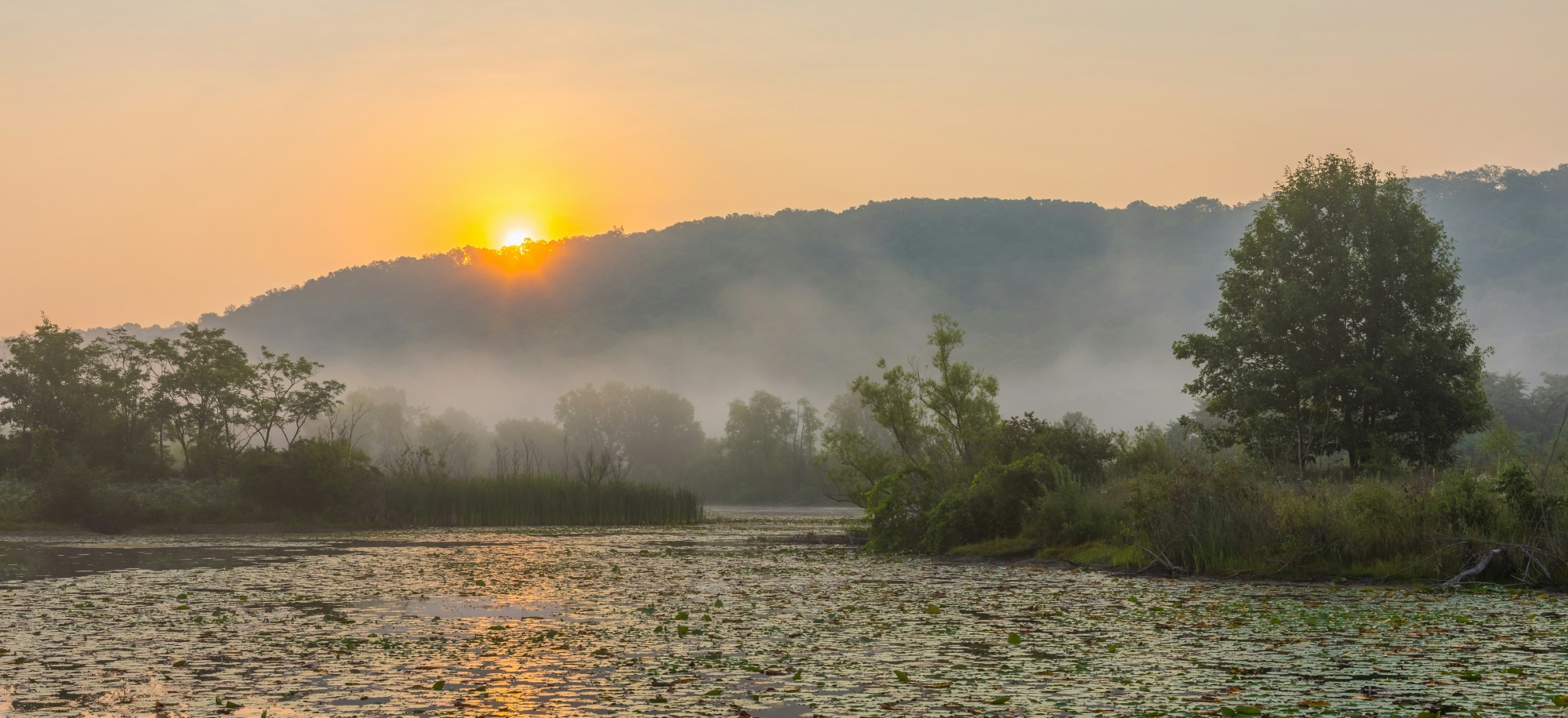
I can do what I do because I witness more than just the debilitating pain of survivors. I see their courage and compassion and commitment to make a difference. And I see the healing that occurs over time. It is similar to the gradual awakening we witness each spring, when life emerges from what seemed barren and lifeless.
When I talk with a new survivor, this is one of the most important things I want them to know. When grief is new … when one’s world has been shattered by the loss of a loved one to suicide, and all the complex challenges that accompany such a loss … it is hard to envision anything beyond debilitating grief. It can feel like being trapped in the darkest winter of the soul.
Sometimes, in the beginning, it is hard to find a reason to go on. Emotions are overwhelming. New survivors are anxious and have difficulty concentrating. They may be weighed down by despair and guilt or possessed by anger. Many cannot sleep, eat, and have difficulty performing routine functions.
Sometimes there are additional financial and physical challenges resulting from the death. Some survivors must find a way to grieve while caring for children who have also been traumatized. And almost all survivors experience secondary wounds.
In the beginning, it is understandably very hard for new survivors to see beyond the debilitating grief, but those who have traveled further down the survivors’ path will be quick to reassure them that the pain does soften. Emotions transform, and eventually, we integrate the loss. Forever altered and with our innocence lost, we learn to live with the duality of what life offers.
As we enter this season of spring—when Passover celebrates liberation from bondage, and Easter proclaims victory over death—I am reminded that the survivor journey itself mirrors these ancient stories of transformation. It is a movement from captivity to freedom, from despair toward new life. What I witness time and again is profound: as survivors endure and meet the challenges before them, they grow wiser and stronger, becoming able to contribute in ways they never envisioned they could.
This is the message I share with every newly bereaved person I meet—that something meaningful can emerge from even the deepest pain. Over and over again, I find that this hope touches people in a profound way. There is something that awakens in them during these conversations, much like the stirring of life beneath winter’s surface. An inner flame is rekindled. Their pain does not vanish, and the need to endure remains, but hope takes root. And like the promise of renewal that spring brings after winter’s chill, that hope can make all the difference in the world.