Editor’s Note: Originally written in July 2009, this letter by Father Charles Rubey offers timeless wisdom about grief and community support that continues to provide solace in uncertain times.
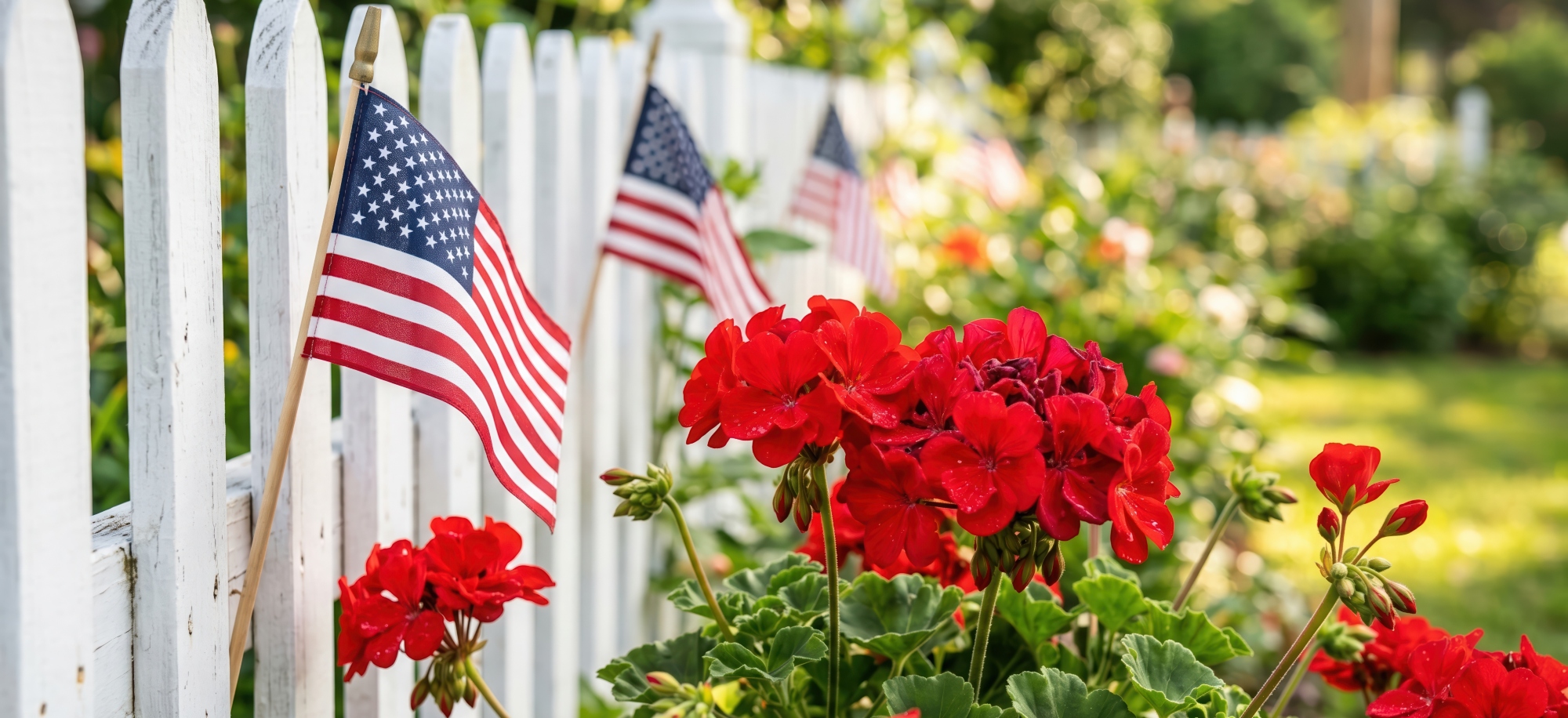
July 4th is a major American holiday. I always feel sorry for household animals because they are so frightened by the explosions of the fireworks. They run for cover at the first sound of the merrymaking. Americans are fond of all the hoopla that goes along with the day. There are family barbecues, and many cities provide magnificent fireworks displays.
I remember as a child being with my parents on vacation when we stopped in some town and found ourselves in a large, crowded field. There was a very big fireworks display, and everyone was singing “Happy Birthday.” I asked my father whose birthday it was, and he told me it was the birthday of our country.
I suspect that once all the fighting stopped and America won its independence from England, our forefathers took a deep breath and said among themselves, “Now what?” Once all the guns were silenced, our leaders gathered and got down to the business of governing and leading this country now known as the United States of America. Much of the excitement attached to the war of independence became the humdrum of governing the people, making laws, and fighting among themselves about the best approach to take in setting up this government “of the people and by the people.”
The Initial Outpouring of Support
I often hear from survivors of suicide that immediately after the death, their house is flooded with visitors offering solace and comfort. The community steps in to help. Meals are brought to the house, and “comfort foods” are prepared so the family is spared the added task of cooking. Families are invited out to dinner or over to the homes of friends and extended family members. I have often heard from survivors that their freezers are filled to capacity, and they don’t have to worry about preparing meals for several weeks or even months.
There are words of consolation and support as funeral arrangements are made and various tasks are handled.
Generally, after a number of weeks of this activity, the traffic to the family slows down and a sense of “normalcy” descends. There is still support and caring for the grieving family, but much of the frenetic activity has ceased, and the family is left to itself.
When the World Moves On
It is at this point that a grieving family begins to realize that now comes the humdrum of the grief journey. It is not that others have stopped caring—people move on with their lives. The world stopped for the grieving family, but the world did not stop for extended family members or friends. Their lives move on to other issues and concerns.
Survivors of suicide are now met with the big question: “Now what?” It is a critical juncture of the grief journey. Traffic to the home has slowed to a trickle. The phone calls and cards offering sympathy and consolation have stopped.
Sometimes people have the false expectation that survivors should “be over the suicide” in a few months. Survivors can be led to believe that something is wrong with them because they are “not over it.” But there is nothing wrong with the survivors.
Learning to Live with Loss
People do not get over a suicide. They learn to live with it and all its pain and devastation. Once all the activity has stopped in the home of survivors, they are met with the task of the grief journey. This journey goes on forever, but not with the intense pain of the first several months.
The “ordinariness” of the grief journey is now taking place. In the words of a veteran survivor, “the pain becomes ordinary.” The added component of life is life without the person who completed suicide. And survivors eventually begin again to immerse themselves in the ordinary tasks of life: working, caring for other family members, and going about the tasks that impact all of us.
Navigating Hurt and Healing Relationships
Sometimes, survivors are angry at people who, in their estimation, should have been more compassionate and understanding during the early stages of the grief journey. Survivors are easily hurt when the pain is so raw and new, and there are instances when survivors feel that some people failed them when they needed them most. Sometimes the relationships are healed, and other times, the relationships have been severed permanently. Sometimes the expectations of the survivors are unrealistic, and sometimes family members or friends have not risen to the occasion to offer support and comfort to the grieving people.
It is never easy for survivors to confront people who have not been there in the immediate aftermath of the suicide. Survivors have a choice to either let the hurt feelings heal by themselves or to share these hurt feelings with the appropriate persons. It is never good to just allow the feelings to fester. It is much healthier to share the feelings and attempt to resolve the situation or just let go of the resentment.
The Importance of Expressing Feelings
One of the cardinal axioms is that “feelings are neither right nor wrong. They just are.” The expression of feelings is the paramount task of the grief journey. No matter what the feelings are, it is very important that survivors express these feelings in a safe and healthy environment and try to resolve them. To resolve the feeling means that this particular feeling is processed and flushed through one’s psychic system and is now laid to rest. It is not causing unrest and draining energy within the emotional life of the survivor.
As always, I want to assure each and every survivor of my thoughts and prayers on a daily basis. I encourage all of you to remember each other in the same way, especially those who have recently joined our family.
Keep On Keepin’ On,
Fr. Charles Rubey