
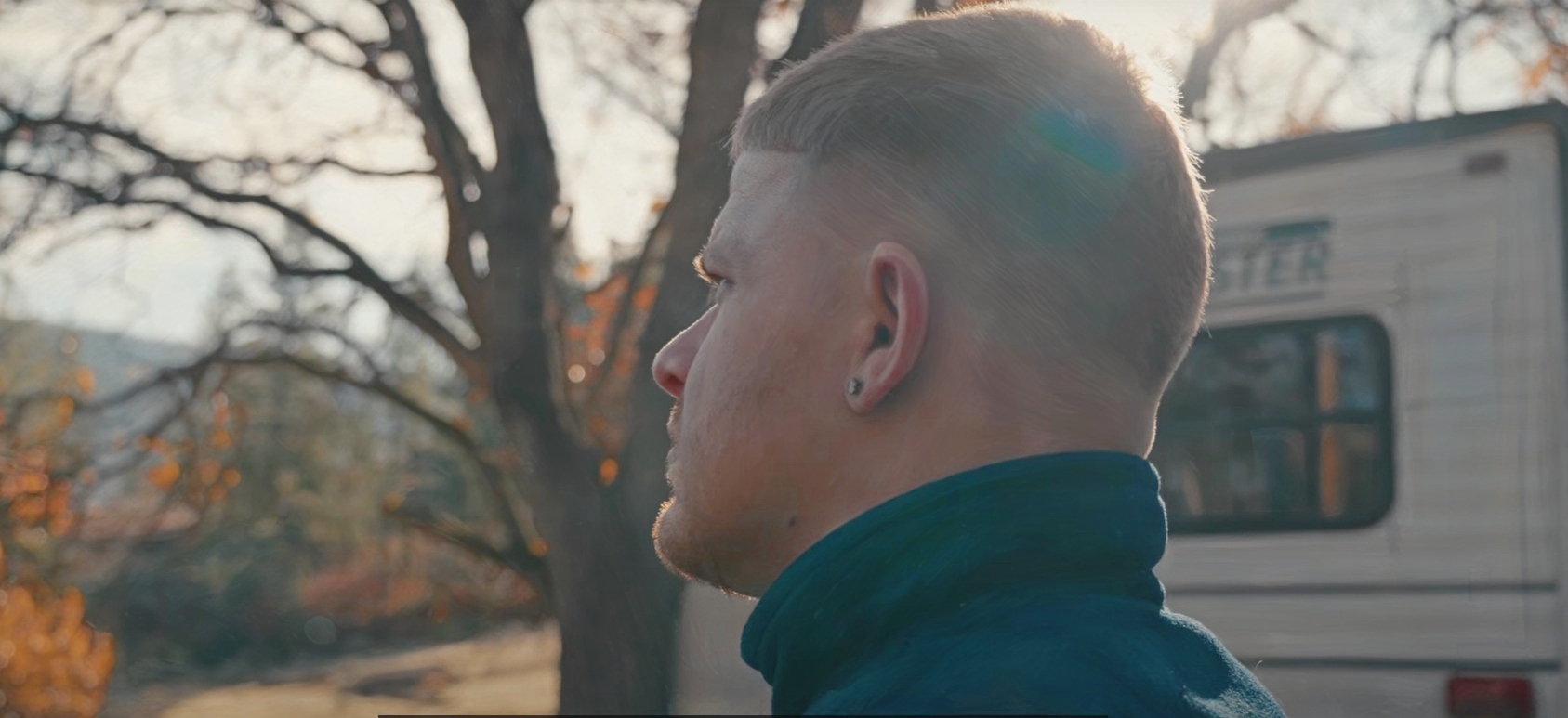
We are pleased to share an incredibly moving video with our community. “Callahan Calls” is a poignant, short documentary created by filmmaker Brock Galvin. It delves into the profound grief experienced by Trever Facey, who lost his father to suicide.
This intensely personal film not only captures Trever’s emotional journey through loss but also highlights universal themes of love, remembrance, and the struggle for healing. Filmed with extraordinary sensitivity, “Callahan Calls” will resonate with anyone who has grappled with the complexities of grief.
We were profoundly touched by the film and wanted to share it with you, along with the heartfelt words of both Trever and Brock.
A Message from Trever Facey about His Personal Journey
When I lost my father to suicide, my world didn’t just break — it shifted. Life stopped making sense in the ways it used to. And in the months and years that followed, I learned a truth that took time to accept: it’s okay not to be okay. It’s not a weakness, and it’s not something to rush through. It’s the normal response to something that should never have happened.
In the beginning, “getting back up” didn’t look strong or impressive. It looked like getting out of bed. Eating a meal. Stepping outside for a walk. These simple actions felt impossible, but I counted every one of them as a win. And those small, ordinary wins slowly added up until I no longer felt crushed by the weight of everyday life. What kept me moving was knowing that I am my father’s legacy — that he could still live through me, through the way I loved people and lived my life.
Over time, I realized that grief is like an unwanted friend — one that shows up uninvited, stays longer than you want, and follows you into places you never expected. You can try to push this friend away, hide from it, or ignore it, but grief never really leaves. What surprised me is that when I finally stopped fighting it, I started learning from it. I began to understand how it moves, how it shows up, and what it reveals about my love for my dad. I’ve learned to accept this friend into my life and not to push it away, as this unwanted friend is present because it is a signifying factor that I loved my father deeply. I didn’t grow to appreciate what this friend was doing in my life — but I learned to let it walk beside me. And in a strange, sacred way, that presence keeps my father close.
I’ve also only survived because of the people who surrounded me. Grief made me feel isolated — like I was living on an island where no one could see or reach me. I didn’t know what I needed, and I didn’t have the energy to ask for it. But the people who loved me stepped in anyway. Their presence — not their words — helped carry me through the moments when I didn’t think I could move.
But most of all, I survived because I found meaning outside myself. On the hardest days, when the pain felt unbearable, I reminded myself of why I’m still here — Jesus Christ, my mom, sister, my stepmom and stepsisters, my best friends, mentors, and the legacy of my father. Remembering them gave me the strength to take one more step. And that step mattered.
Creating this documentary has reminded me that grief doesn’t mean something is wrong with you — it means something mattered.
My father mattered. His story mattered.
And so does every person who has struggled in the dark or lost someone they love to suicide.
When we released Callahan Calls, I had no idea what would happen. I just hoped that telling my story — our story — would help someone feel seen. Over 50,000 people across all social platforms have now watched it. The reach has blown me away, but what means even more are the messages from people saying they finally feel understood, or that they don’t feel as alone anymore.
My hope is simple: that my story and my dad’s story remind someone out there that they’re not alone in the fight to keep going. That even when life feels impossible, there is still life worth living. There is still hope. There is still meaning. And rising again — even slowly, even imperfectly — is still rising.
If you’re grieving someone lost to suicide, I want you to know this:
You don’t have to rush your healing.
You don’t have to pretend you’re okay.
You just have to keep choosing life, one small step at a time.
And every step is a win.
Read the Filmmaker’s Story
To gain further insight into the sensitive filmmaking process and the profound impact of telling Trever’s story, we invite you to read filmmaker Brock Galvin’s reflections on creating “Callahan Calls.” Brock has written that he “cried all the way home” after meeting Trever. And that being with Trever, as he processed his grief, was the ultimate honor.